

The real test of security AI is whether responders get their time back
Security automation should be measured not only by speed and savings, but by whether it reduces concurrent work, interruptions and decision pressure for incident responders.

AI defence needs less reachable authority, not just smarter attack maps
Attack-path analysis can expose high-leverage security chokepoints, but its value depends on accurate graphs, controlled remediation and strict limits on agent authority.

The real AI hacking clock measures maintenance capacity
AI is shrinking the tolerance for old software and slow remediation. The advantage will go to institutions that can turn faster discovery into safe, reversible change.

Cyber threat rankings should start a boardroom debate, not settle one
Global cyber surveys can focus executive attention, but organisations still need to rank risks by local consequences, dependencies, ownership and tested recovery.
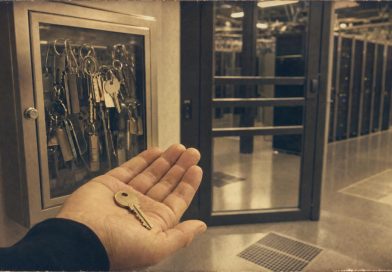
Cybersecurity’s foundations are not obsolete. They must be enforceable
The enduring principles of cybersecurity still matter, but AI demands faster execution, task-scoped agent authority and recovery plans that work in practice.
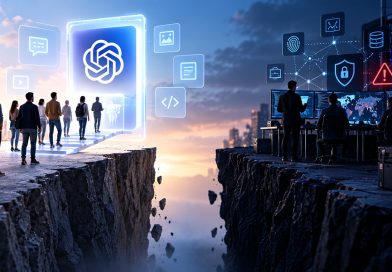
The real AI cyber divide starts after model access
Frontier cyber tools should be judged by remediation, affordability and downstream protection, not vulnerability counts or partner prestige.

The login page is real. The request can still be a trap
A genuine sign-in page may authenticate the right user for the wrong device, application or action. Anti-phishing strategy must verify the process, not merely the interface.

Spoofing is an identity design failure, not just a vigilance test
The burden of detecting spoofing should not sit solely with recipients. High-risk services need trusted routes for authorising consequential actions separately from unsolicited messages.

Australia does not need less digital life. It needs less data hoarding
Australians should not have to abandon useful digital services to reduce privacy risk. Organisations should be required to justify, expire and delete personal data by default.

AI is eroding the accidental security of being too boring to hack
As AI lowers the labour required for cyber operations, boards must replace assumptions about obscurity with a clearer view of identities, access, suppliers and recovery.

The best quantum defence is an unglamorous cryptography overhaul
Quantum readiness should be measured through cryptographic inventories, funded migration plans and supplier commitments, not the number of futuristic pilots.

AI can accelerate infrastructure attacks. It did not create the weakness
AI may lower the cost of attacking industrial controls, but resilience still depends on mediated access, equipment renewal and recovery options that operators have actually tested.