

Beyond the AI arms race: What agents change in cybersecurity
Current evidence points to faster familiar attacks, not routine autonomous campaigns. The harder questions concern agent access, defensive context and accountable control.
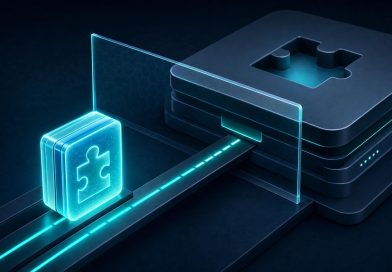
FBI review traces FBIJobs.gov breach to contractor’s missed patch
A contractor was removed after the FBI linked the FBIJobs.gov breach to an unapplied security patch, while key claims about the platform and scope remain source-attributed.

South Korea widens response to bank attacks as AI role remains unproven
South Korea has expanded its response to financial-sector attacks, but reported ARTEX artefacts do not establish that an AI tool carried out an intrusion.

Denmark confirms unauthorised CPR data access affecting 8.8 million people
The incident used a private company’s authorised CPR connection, while investigators have yet to establish how much data was copied or whether it was misused.
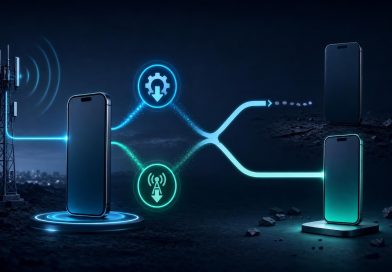
Apple confirms some AT&T iPhone 18 Pro Max service failures require replacement
Owners of working AT&T iPhone 18 Pro Max phones should check for iOS 27.0.1 and carrier settings 72.1. Official guidance says failed devices need replacement.
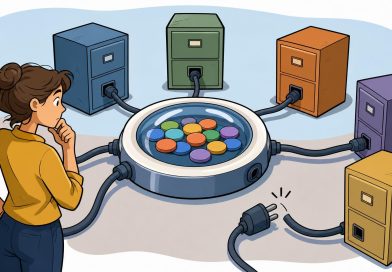
Inside OpenAI’s dots: shared app permissions, retained context and action checks
OpenAI’s dots combine persistent context, shared app permissions and action-taking tools. Its own documentation shows why disconnecting an app is not a complete data reset.

VL Prosperity intruders reportedly reached digital propulsion system
Investigators reportedly found temporary access to VL Prosperity’s propulsion technology, but the intruders’ capabilities, access route and identity remain unknown.

Actively exploited FortiMail flaw prompts containment and compromise checks
Fortinet reported active exploitation of CVE-2026-104286. Affected FortiMail operators need temporary controls and retrospective checks while verifying the availability of planned fixes.
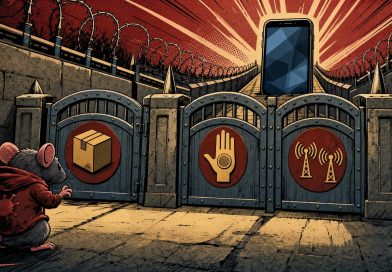
RatHat can steal Android PINs, but the documented attack needs extensive access
RatHat’s credential-theft capabilities are documented, but they depend on sideloading, an Accessibility grant and abused debugging access.

KillSec infrastructure seized as investigators examine suspected role of 16-year-old
Authorities seized KillSec’s leak site, servers and domains while arresting three suspects, including a minor alleged to have been a main operator.

Shinhan Bank confirms data breach as evidence of AI use remains inconclusive
Shinhan confirmed that sensitive information was extracted through a loan recruiter service, while reported evidence of AI involvement remains circumstantial.
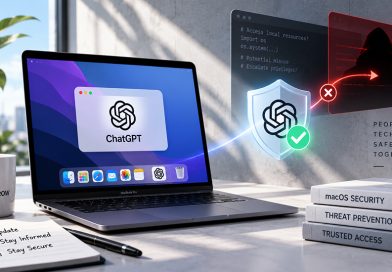
OpenAI fixes ChatGPT for macOS flaw that could let local code misuse trusted access
ChatGPT for macOS build 26.924.20706 contains the documented fix, but the reported attack path began with code already running locally and no confirmed theft was identified.