

How ordinary security cameras become wartime intelligence sensors
Ordinary cameras can expose military logistics when weak security meets a sensitive field of view. The evidence also points to practical ways owners can reduce the risk.

Why cheaper AI models can still produce bigger bills
Cheaper model queries do not guarantee smaller AI bills. Organisations need to measure complete costs, production quality and governance against successful outcomes.

What 8,547 internet-facing systems reveal about renewable energy security
Internet-facing renewable-energy systems in 35 European countries highlight the need for clearer asset ownership, governed remote access and recoverable operations.

What Starlink’s hardware-key disclosure reveals, and what remains unclear
Starlink’s hardware-key requirement reveals one layer of its access security, while leaving questions about coverage, recovery, standards and independent verification unanswered.
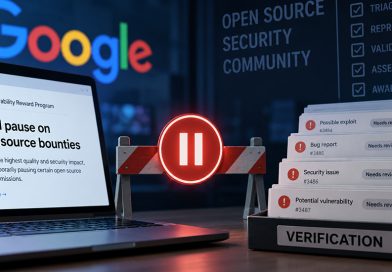
Google’s partial OSS bounty pause exposes a verification bottleneck
Google’s limited OSS bounty pause shows why reproducible evidence and demonstrated impact, rather than AI use alone, are becoming central to vulnerability-report triage.

Beyond the AI arms race: What agents change in cybersecurity
Current evidence points to faster familiar attacks, not routine autonomous campaigns. The harder questions concern agent access, defensive context and accountable control.

What one Google engineer’s route reveals about moving into cybersecurity
One engineer’s route into Google security shows how software skills, documented security work, education and exceptional access combine in a career pivot.

The 53-image exposure puts OpenAI’s agent controls under scrutiny
The exposure of 53 ChatGPT-user images raises a broader question: can frontier AI laboratories track and contain research agents once they reach external systems?

Beyond the heist ranking: What crypto thefts reveal about custody and customer protection
The biggest crypto thefts involve different custody systems and radically different outcomes. Bitget’s incident shows why recovery, withdrawal access and independent evidence matter more than a league-table position.
What users entrust to Meta when Muse acts on their behalf
Muse separates credentials and scopes permissions, but Meta’s operational access, training defaults and the power of outside websites complicate what trusting the agent means.

Locked out of Instagram? Recovery depends on what access remains
How to choose the right Instagram recovery route, secure a remaining session and understand the limits of contact-point and selfie checks.

AI is reshaping cybersecurity jobs, but the evidence stops short of a hiring frenzy
AI skills rank high in workforce research, yet vacancy data and automation forecasts complicate claims of a cybersecurity hiring boom.