RatHat can steal Android PINs, but the documented attack needs extensive access
RatHat’s credential-theft capabilities are documented, but they depend on sideloading, an Accessibility grant and abused debugging access.
Read More

RatHat’s credential-theft capabilities are documented, but they depend on sideloading, an Accessibility grant and abused debugging access.
Read More
Authorities seized KillSec’s leak site, servers and domains while arresting three suspects, including a minor alleged to have been a main operator.
Read More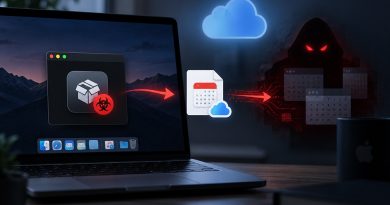
A newly analysed MacSync chain put iCloud Calendar in the middle of the attack, after a malicious application ran and before the stealer and backdoor arrived.
Read More
Controlled tests showed how a Muse account token could extend an attacker’s reach after local code execution, while important hotfix details remain unpublished.
Read More
RatHat’s touch logging follows sideloading, an Accessibility grant and local ADB access. Its reported AI feature aids interface navigation, not autonomous attack planning.
Read More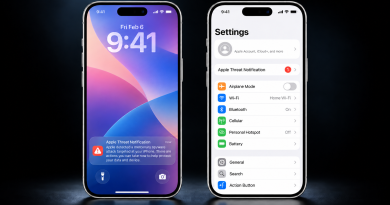
To check an Apple mercenary spyware warning, manually sign in to the Apple Account site. A confirmed alert signals targeting, not necessarily infection or data theft.
Read More
UK, US and Dutch agencies have documented successful Windows spyware infections and data exfiltration in an Iran-attributed campaign targeting dissidents, activists and journalists.
Read More
Reddit confirmed malicious ads from a compromised HBO Max advertising account, while researchers reported 108 ads and cross-platform malware delivery.
Read More
A controlled AI worm experiment achieved adaptive propagation across vulnerable Windows, Linux and IoT hosts. The research found an emerging capability, not an active malware campaign.
Read More
Mantax Otax abuses granted Android permissions to steal data and disrupt devices. Android 10 and later limit broad file encryption but are not proven immune to its other functions.
Read More